The Investor's Guide to Home Inspections: What to Look For and What to Ignore
How to approach home inspections as an investor — critical findings vs. cosmetic issues, and how inspection results affect your offer.
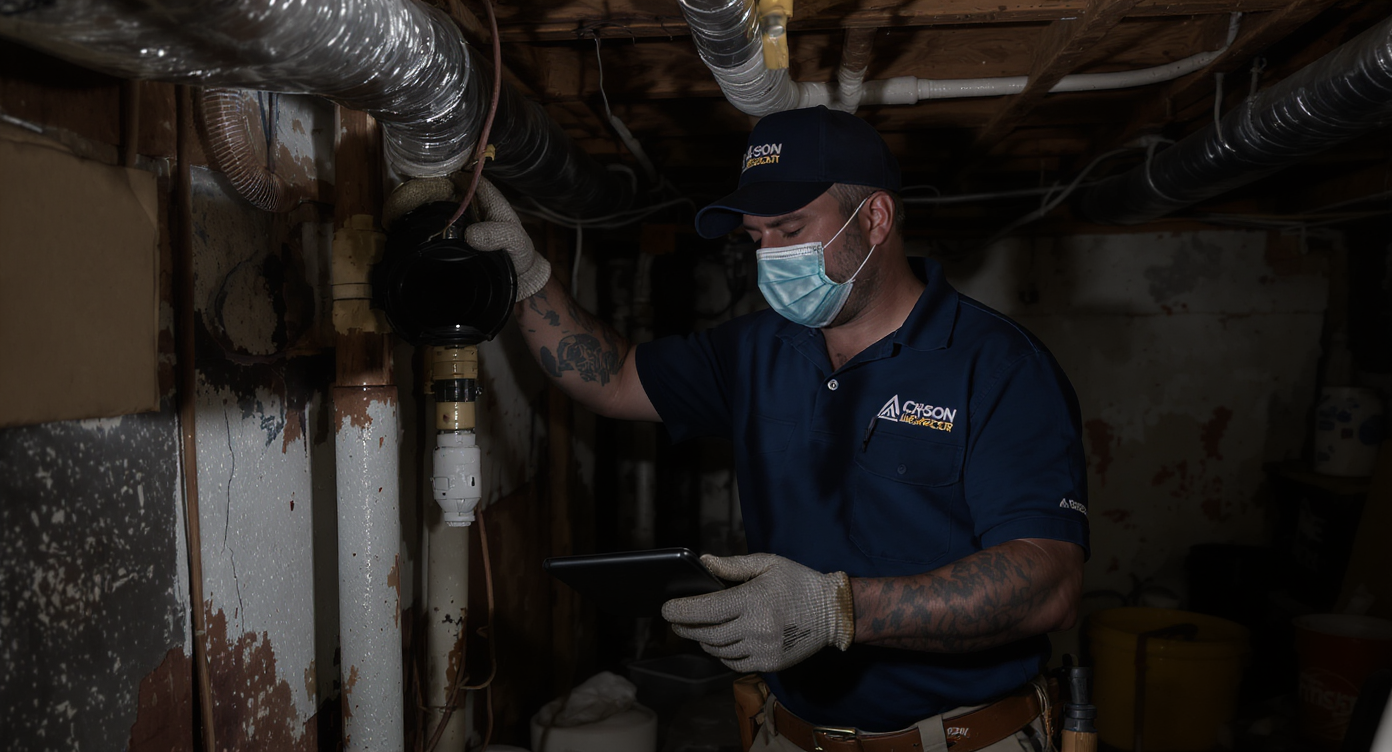
Inspections as an Investor vs. a Homebuyer
Home inspections serve a different purpose for investors than for homebuyers. A homebuyer wants to know if the house is safe and livable. An investor wants to know the cost and scope of necessary repairs to validate deal numbers.
You're not looking for a perfect house — you're looking for accurate repair estimates.
The Three Categories of Findings
Category 1: Deal-Killers (Walk Away or Renegotiate Hard)
These are expensive, scope-uncertain problems that can destroy your budget:
- Foundation failure — active settling, horizontal cracking, water intrusion through foundation walls. Cost: $5,000-30,000+
- Structural damage — load-bearing wall issues, roof structure compromise, floor system failure. Cost: $10,000-50,000+
- Environmental contamination — mold throughout the HVAC system, asbestos in popcorn ceilings or floor tiles, significant lead paint disturbance. Cost: $3,000-25,000+
- Sewer line replacement — cast iron or clay sewer lines that are collapsed or root-infiltrated. Cost: $5,000-15,000
- Major water damage — active roof leaks with structural rot, ongoing flooding. Cost: varies widely
These findings should cause you to either walk away or renegotiate your price downward by the estimated repair cost plus contingency.
Category 2: Expected Repairs (Budget for Them)
These are normal findings in investment properties:
- Roof nearing end of life (15-20 years old): budget $5,000-12,000 for replacement
- Outdated electrical (60-amp panel, knob and tube wiring): budget $3,000-10,000 to update
- Old plumbing (galvanized pipes): budget $3,000-8,000 to replace
- HVAC at end of life (15+ years): budget $3,000-8,000 for replacement
- Water heater replacement: budget $800-1,500
- Window replacement (single-pane, broken seals): budget $300-600 per window
These are expected in distressed properties. They should already be in your repair estimate.
Category 3: Cosmetic Issues (Ignore)
These don't affect your deal analysis:
- Peeling paint
- Dated fixtures
- Worn carpet or flooring
- Dirty HVAC filters
- Minor caulking needs
- Cosmetic cracks in drywall
- Outdated kitchens and bathrooms
You're going to renovate the property. Cosmetic issues are already in your budget.
Using Inspection Results in Negotiation
If the inspection reveals issues beyond your initial estimate:
- Quantify the additional cost — get a contractor bid or use your per-item estimates
- Present to the seller — "The inspection found [issue] which will cost approximately $[amount] to repair. I'd like to adjust the price accordingly."
- Negotiate options:
- Reduce purchase price by the repair amount
- Seller makes the repair before closing
- Seller provides a credit at closing
- You walk away using your inspection contingency
When to Skip the Inspection
Some investors skip formal inspections on certain deals:
- Deeply discounted properties where the margin is wide enough to absorb surprises
- Properties you've personally walked and assessed with your contractor
- Auction purchases where inspection isn't possible
However, even experienced investors should get inspections on properties over $150K ARV, properties with known structural or environmental concerns, and their first 10 deals (while building experience).
The Bottom Line
Inspections are a budgeting tool for investors, not a pass/fail test. Categorize every finding: deal-killer, expected repair, or cosmetic ignore. Use deal-killers to renegotiate or walk away. Budget for expected repairs in your analysis. Ignore cosmetic issues you're already planning to fix. The inspection should confirm or adjust your repair estimate — nothing more.
Ready to automate your acquisitions?
See how AutomizeCRM can transform your real estate business.
Schedule a Demo