Foreclosure Investing: How to Buy Pre-Foreclosure and REO Properties
A guide to foreclosure investing — from pre-foreclosure outreach to auction bidding to REO acquisition strategies.
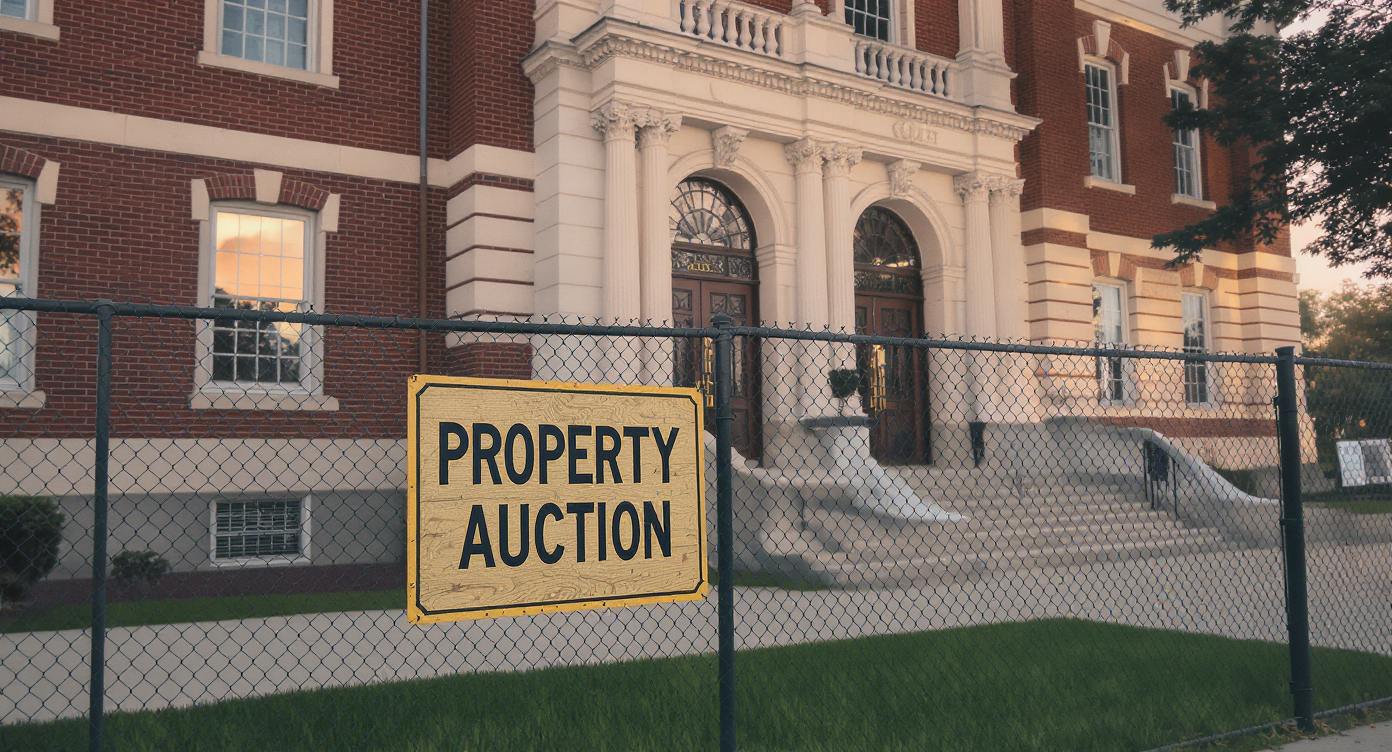
The Three Stages of Foreclosure Investing
Foreclosure properties offer some of the deepest discounts in real estate, but each stage of the foreclosure process requires a different approach, timeline, and skillset. Understanding all three stages gives you multiple entry points for acquiring below-market properties.
Stage 1: Pre-Foreclosure
What It Is
Pre-foreclosure begins when a homeowner misses mortgage payments and the lender files a Notice of Default (NOD) or Lis Pendens. The property hasn't been auctioned yet — the homeowner still owns it and can still sell.
Why It's Valuable
- The homeowner is motivated by a hard deadline (the auction date)
- You're dealing directly with the owner, not a bank
- Properties can be purchased below market but often in better condition than auction or REO properties
- You have time for due diligence, inspections, and proper closing
How to Find Pre-Foreclosure Leads
- County recorder: NOD and Lis Pendens filings are public record
- Data providers: aggregated pre-foreclosure lists with owner contact info
- Skip tracing: get phone numbers and reach out directly
- Foreclosure listing sites: RealtyTrac, Foreclosure.com
The Approach
Pre-foreclosure sellers are in financial distress. Your approach must balance urgency with empathy:
- Reach out 60-90 days before the auction date (give yourself enough time to close)
- Position yourself as a solution: "I can help you avoid foreclosure on your credit by purchasing your home before the auction"
- Understand their payoff: how much do they owe? Are they underwater?
- Calculate your offer: must be enough to pay off the mortgage (or negotiate a short sale with the lender) while leaving room for your profit
- Close before the auction date
Short Sales
If the homeowner owes more than the property is worth, you'll need to negotiate a short sale with the lender. The lender agrees to accept less than what's owed:
- Requires a hardship letter from the homeowner
- Lender approval can take 60-120 days
- Discounts of 10-30% below market value are common
- You need a relationship with the lender's loss mitigation department
Stage 2: Auction (Sheriff's Sale / Trustee Sale)
What It Is
If the homeowner doesn't cure the default or sell the property, the lender forecloses and the property is sold at public auction. The auction is conducted by the county sheriff (judicial foreclosure) or a trustee (non-judicial foreclosure).
How Auctions Work
- The auction is publicly announced (newspaper, county website, online platforms)
- Bidders must register and typically provide proof of funds or a cashier's check
- Bidding starts at the lender's minimum bid (often the outstanding mortgage balance)
- Highest bidder wins the property
- Payment is usually required within 24-72 hours (full cash or certified funds)
- The deed is transferred to the winning bidder after the sale is confirmed
Risks
- No inspection: You typically cannot enter or inspect the property before the auction
- No title insurance: Title issues may exist (junior liens, tax liens, code violations)
- Occupants: The former homeowner or tenants may still be in the property — eviction may be required
- Redemption periods: Some states allow the homeowner to reclaim the property after the auction by paying the full amount (varies by state)
- Competition: Experienced auction buyers drive prices up on good properties
How to Bid Smart
- Research every property on the auction list before the sale
- Drive by each property to assess exterior condition and neighborhood
- Run comps and calculate your MAO (remember: you can't inspect, so add extra contingency)
- Set your maximum bid and DO NOT exceed it at the auction
- Account for: title clearing costs, potential eviction, unknown repairs, and holding costs
- Budget for a quiet title action ($1,500-5,000) on every auction purchase
Stage 3: REO (Real Estate Owned)
What It Is
If a property doesn't sell at auction (no bidders meet the minimum), the lender takes ownership. It becomes an REO (Real Estate Owned) property — bank-owned real estate.
Why REO Properties Are Opportunities
- Banks are not in the business of owning real estate — they want to sell
- REO properties have been through the foreclosure process, so title is typically cleared
- Banks are often willing to sell below market value to move inventory
- You can usually inspect REO properties before making an offer
- Financing is available (conventional, hard money, or cash)
How to Find REO Properties
- MLS: Most REO properties are listed with real estate agents
- Bank REO departments: contact the loss mitigation or REO department directly
- REO listing websites: HomePath (Fannie Mae), HomeSteps (Freddie Mac), HUD HomeStore
- Asset management companies: banks hire these companies to manage and sell their REO inventory
Making REO Offers
- REO properties are sold "as-is" — the bank won't make repairs
- Submit offers through the listing agent (MLS) or the bank's designated platform
- Banks typically want proof of funds or pre-approval letter
- Response time: 3-10 business days (banks move slowly)
- Counter-offers are common — banks negotiate but rarely accept lowball offers
- Closing timeline: 30-45 days (banks prefer conventional timelines)
Tips for REO Success
- Submit clean offers (cash or strong financing, quick close, minimal contingencies)
- Be patient — bank decision-making is slow
- Build relationships with listing agents who specialize in REO
- Inspect everything — REO properties often have deferred maintenance, vandalism, or weather damage
- Negotiate repair credits rather than asking the bank to fix things
Choosing Your Foreclosure Strategy
| Factor | Pre-Foreclosure | Auction | REO | |--------|-----------------|---------|-----| | Discount | 10-30% | 15-40% | 5-25% | | Inspection | Yes | Usually No | Yes | | Title Insurance | Yes | Usually No | Yes | | Competition | Low-Medium | Medium-High | Medium | | Speed | 30-90 days | Same day | 30-60 days | | Risk Level | Low-Medium | High | Low-Medium | | Capital Required | Flexible | Full cash | Flexible |
The Bottom Line
Foreclosure investing offers three distinct entry points: pre-foreclosure (direct to homeowner, lowest risk), auction (deepest discounts, highest risk), and REO (bank-owned, moderate discounts with less risk). Each requires different skills, capital, and risk tolerance. Start with pre-foreclosure outreach for the most controlled experience, graduate to REO purchases for institutional-grade deals, and consider auction bidding only after you have experience and cash reserves to handle the unknowns.
Ready to automate your acquisitions?
See how AutomizeCRM can transform your real estate business.
Schedule a Demo